

While the horrors of what happened at Srebrenica were not the sole reason for the war in Bosnia coming to an end, they played a significant role in pressurising the international community to intervene.
Airstrikes by UN and NATO member states finally forced the Bosnian Serb forces into peace talks.
The war officially ended in 1995, when a peace agreement was negotiated in the US city of Dayton, Ohio, between then Presidents of Bosnia and Croatia — Alija Izetbegovic and Franjo Tudman — and Milosevic, the leader of Yugoslavia.
The Dayton Peace Agreement established 2 state entities within Bosnia; the Serb Republic, called Republika Srpska (which includes the territory of Srebrenica) and the Bosnian Federation. Each entity is divided into 10 cantons. There is also a central Bosnian government, the presidency of which rotates every 8 months between a Serb, a Bosniak and a Croat. It is a singularly complicated political system.
The Dayton Agreement guaranteed refugees that had fled eastern Bosnia the right to return to their homes. Only a fraction of the pre-war Bosniak population returned to Srebrenica.
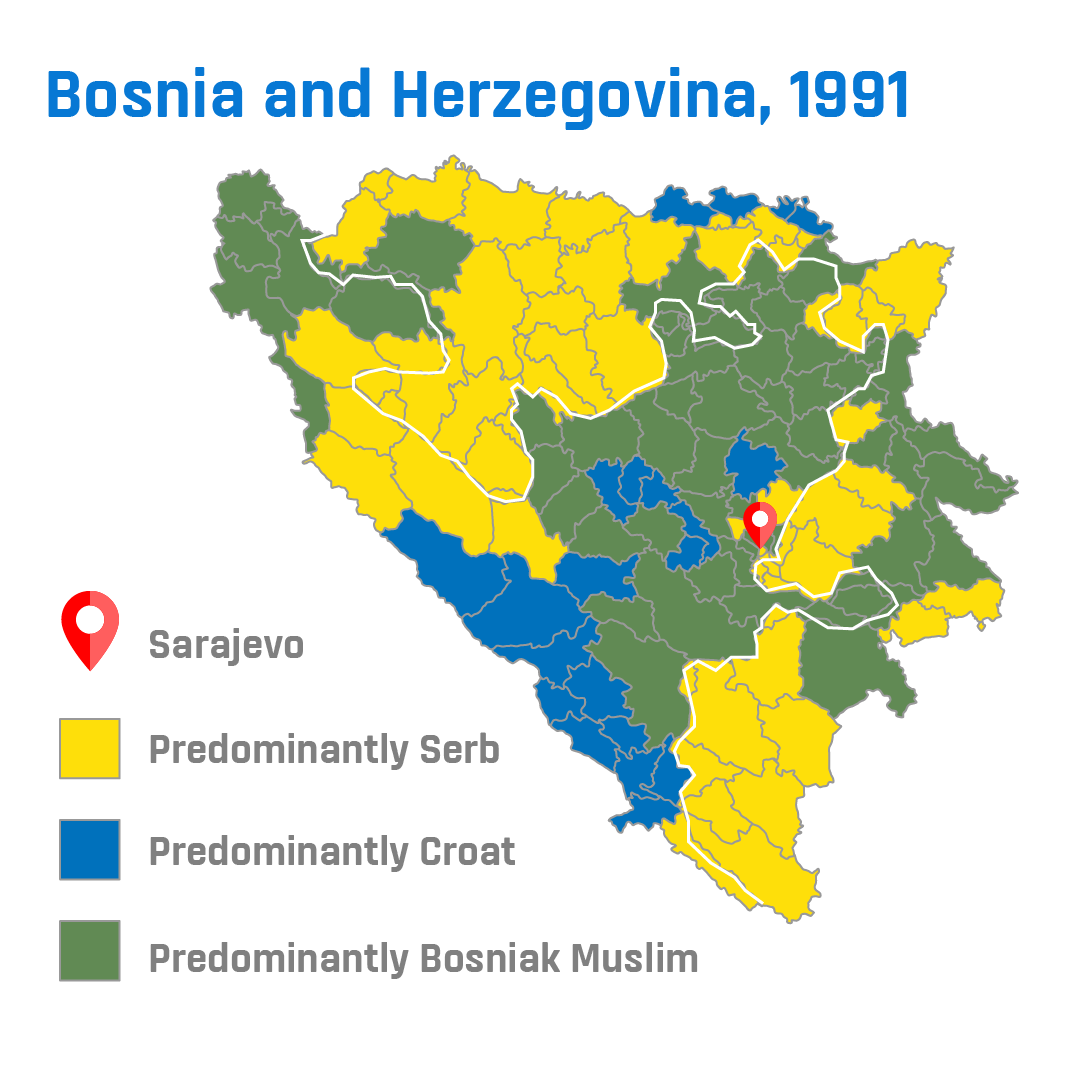
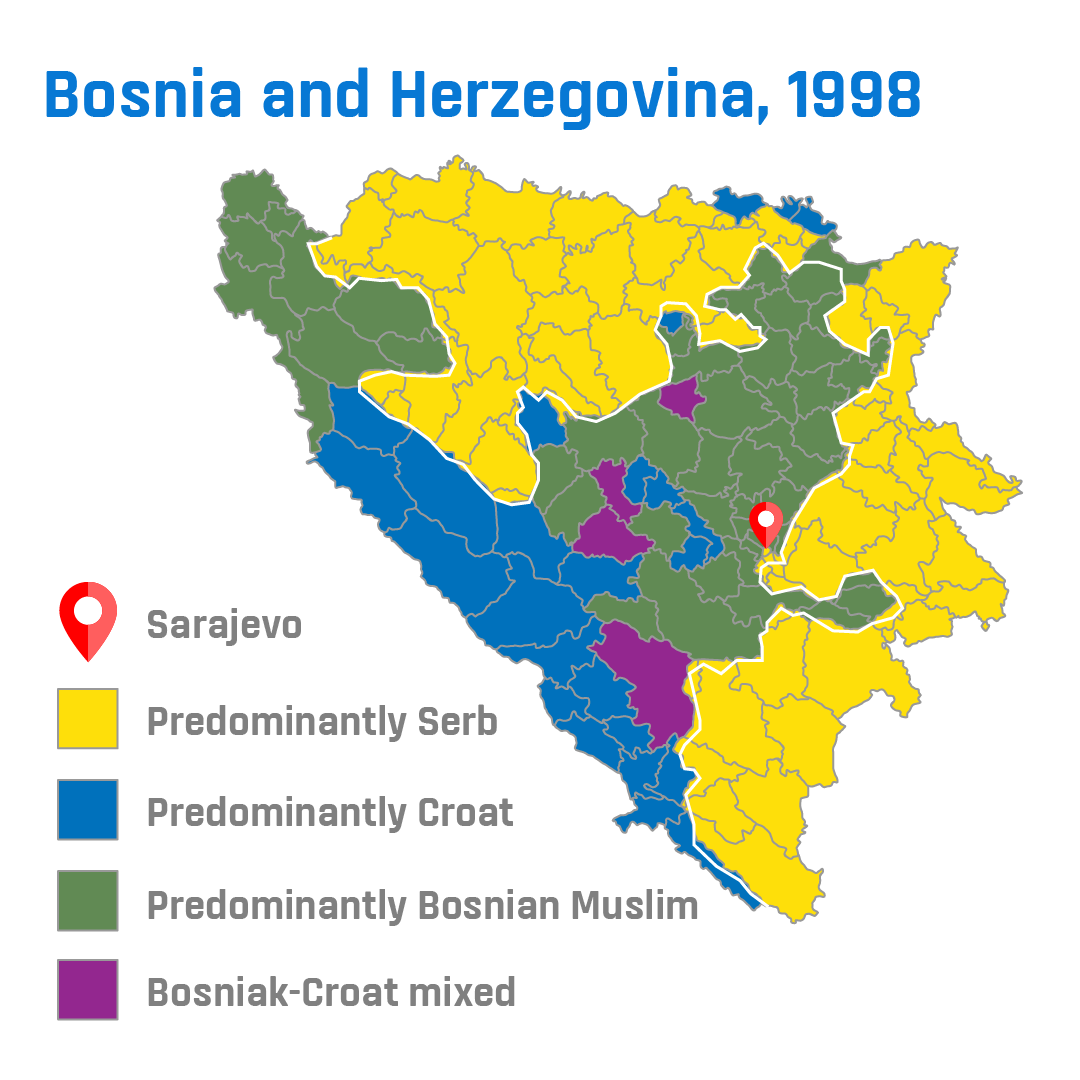
Following the war, investigations by the UN found that, while all sides in the conflict had committed war crimes, Serb forces were responsible for the overwhelming majority of them.
Even before the war had ended, the UN Security Council in 1993 created the International Criminal Tribunal for the Former Yugoslavia to prosecute the perpetrators of atrocities committed during the conflict.
The resulting trials saw 161 people charged with crimes. These individuals included heads of state, cabinet ministers, and dozens of mid and low ranking political, military, and police leaders from various parties to the conflict.
Most notable among the accused was Milosevic, who was charged but later died in custody. Radovan Karadzic, the former head of the VRS, was found guilty of genocide in March 2016 and sentenced to 40 years in prison. General Ratko Mladic is serving a life sentence for his involvement in the Srebrenica Genocide.
In 2002, a UN report found the Dutch government and military officials culpable for failing to prevent the killings. In response to the report, the Dutch government resigned en masse.
When war arrived in Bosnia, many asked, “how could this happen to us?” Once the war was over, the question became, “how do we go back to normal?”
In the years immediately following the war, Bosnia remained gripped by humanitarian crises. An entire country needed to be rebuilt. Transport and energy infrastructure, healthcare and education facilities, and the economy, all needed to built from the ground up.
Across the country, hundreds of thousands of Bosniaks, Croats and Serbs were returning to their ruined homes. Veterans and civilians alike both had to learn to cope with everything they had experienced, while grappling with returning to living among those had played an active role in the horrors of the war. The collective trauma that armed conflict inflicts on a population can take years to heal. For so many survivors, especially those who lived through concentration camps and the events of Srebrenica, these wounds never fully will.
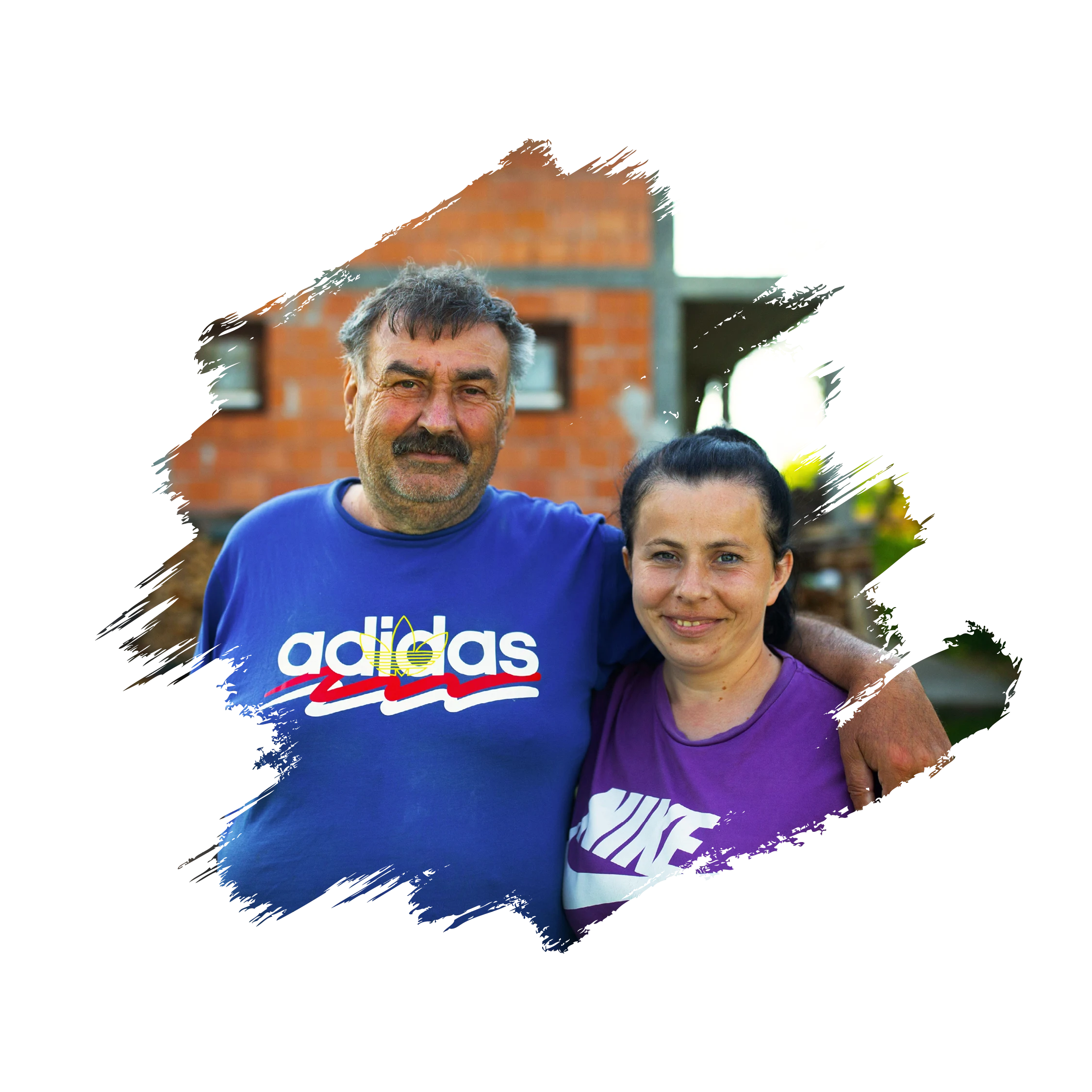
Much of Bosnia is still scarred by the impact of war.
Buildings in the capital, Sarajevo, are riddled with bullet holes, while many damaged and destroyed homes in villages around the country have yet to be rebuilt.
Bosnia continues to function uneasily under the Dayton Peace Agreement as tensions remain. While older generations continue to process their experiences, younger people also suffer.
The economy has never fully recovered, with very few jobs on offer, forcing thousands of young adults to leave the country in search of work.
There is an entire generation of Bosnians who only know their parents from photographs and home videos. Whether they lost fathers to the Srebrenica Genocide, or mothers, brothers and sisters in the conflict, thousands of people born in the 1990s live every day feeling the losses of the war.