
-4.webp)
In August 1992, the use of concentration camps operated by the VRS came to international attention following reports by British journalists.
During the war, more than 650 camps were established across Bosnia to detain Bosniak Muslims and Croats as part of the campaign of ethnic cleansing.
A literal translation of a Serbo-Croatian term, ‘ethnic cleansing’ refers to the deliberate and violent expulsion, displacement or killing of members of an ethnic or religious group in one area by another. While the term emerged during the Yugoslav Wars, instances of ethnic cleansing can be found much further back in history.
In the Bosnian War, it was a self-confessed policy of Republika Srpska. It was carried out through killing, rape, torture, looting, pillaging, the forcible relocation of civilian populations, and the destruction of civilian, public and cultural property, the UN later found.
By the end of the war, more than 100,000 people had been killed and millions more displaced.
Within this context, Susica, a concentration camp located in the town of Vlasenica in eastern Bosnia, became particularly notorious.
By April 1992, Bosnian Serb forces had taken Vlasenica. In the following months, Bosniaks from the town and surrounding villages were detained at several camps, including Susica.
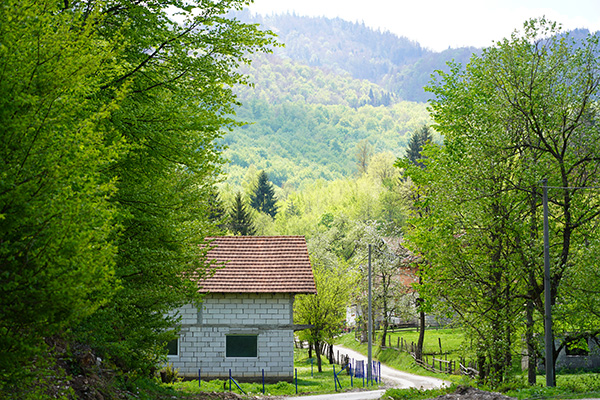
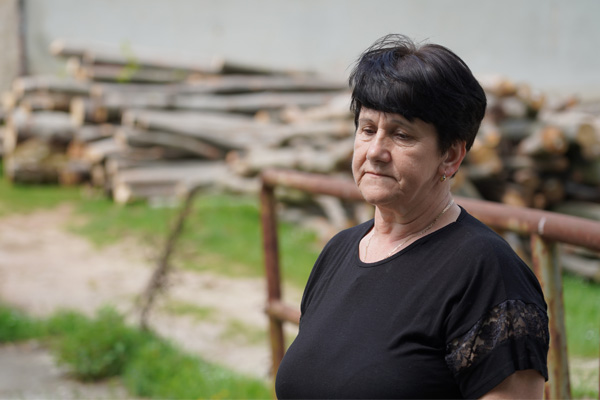
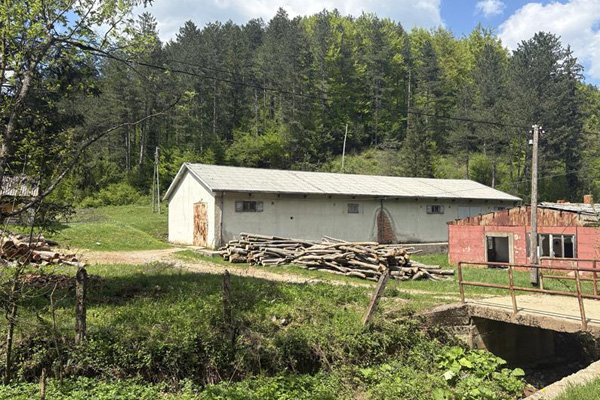
According to the UN, as many as 8,000 Bosniak and other non-Serbs in the region were detained at Susica, where they were subjected to horrific acts of cruelty. The camp was deliberately overcrowded, and prisoners were deprived of adequate food, water, medical care, toilet facilities and sleeping areas.
Susica camp was managed by the VRS and local police. The guards were mostly from Vlasenica, and had been neighbours and friends of many of the detainees.
Many of the detained women were subjected to torture and rape, often in front of other prisoners.
Men and boys were tortured and forced to endure daily beatings. Some were killed in the camp, while others were taken elsewhere to carry out forced labour. Many men were held in Susica until its closure in September 1992 then killed on the spot or transported elsewhere to be murdered.
When the camp closed, between 150 and 200 detainees were taken out, shot and buried in mass graves.
The commander of the camp, Dragan Nikolic, actively participated in the abuse and beating of detainees, some of whom were beaten to death. He was later sentenced to 20 years in prison by the International Criminal Tribunal for the Former Yugoslavia.
Many of the other police and guards who participated in the genocidal acts committed at the camp were never arrested and faced no consequences.
When the war ended, they simply went home.
Before the war, Bosniak Muslims comprised of roughly half of Vlasenica’s population. Afterwards they made up just 1%, according to UN figures.